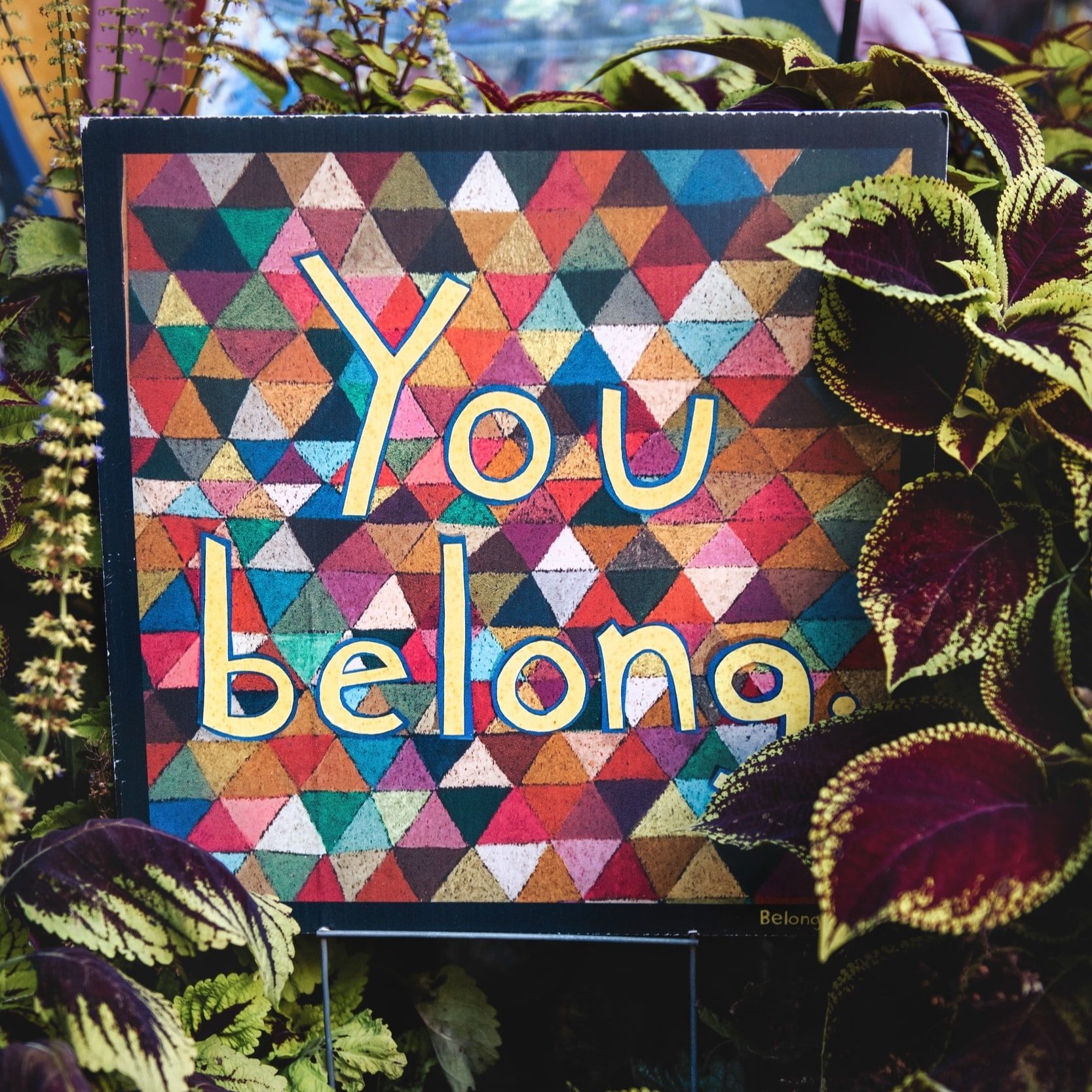
When people feel safe,
they innovate, stay, and perform.
We build the conditions for that.
Psychological safety isn't a soft concept — it's the measurable organizational condition that determines whether your people bring their best thinking, flag problems early, and stay through difficulty. We build it through a combination of assessments, experiential workshops, and structured facilitation grounded in organizational psychology.
Book a discovery callPsychological safety is a performance variable.
Google's Project Aristotle — a five-year study of 180 teams — found that psychological safety was the single strongest predictor of team effectiveness. Not talent, not experience, not IQ. The teams that felt safe to speak up, admit mistakes, and challenge ideas consistently outperformed every other group on every metric that mattered.
The #1 predictor of team performance — above talent, seniority, or IQ.
After analyzing 180 teams, 200+ interviews, and 250+ team attributes, Google's People Analytics team identified psychological safety as the defining characteristic of their highest-performing teams. It was not who was on the team. It was whether team members felt safe being on the team.
A belief that one will not be punished or humiliated for speaking up with ideas, questions, concerns, or mistakes.
Harvard professor Amy Edmondson defined and operationalized psychological safety decades before Google confirmed it at scale. Her validated measurement framework and her book The Fearless Organization are now the standard reference for any organization serious about building it — not just talking about it.
all grounded in organizational psychology.
Our programs go beyond awareness training. Every session is designed to transform how individuals and teams actually experience working together — building the conditions where psychological safety, trust, and belonging become structural, not aspirational.
Psychological Safety & Trust
Building the measurable organizational conditions that determine whether people bring their best thinking, flag problems early, and stay through difficulty. Grounded in the Edmondson framework and ESSA® assessment data.
Unconscious Patterns & Cognitive Bias
Examining the automatic patterns that shape how we perceive, evaluate, and respond to the people we work with — through structured experiential processes that move from awareness into durable behavioral change.
Neurodiversity in the Workplace
Building deep understanding of neurodivergent employees' and leaders' unique experiences and strengths — and the systems that allow those strengths to flourish rather than be managed around.
Belonging Across Difference
Creating the conditions where every team member — across background, identity, and thinking style — experiences genuine inclusion as a daily reality rather than an organizational aspiration.
Conflict & Difficult Conversations
Facilitating the conversations that words often fail to reach — giving employees and leaders a structured channel for complex, emotionally charged topics with clarity and without collateral damage.
Trauma-Informed Practices
Understanding the impact of trauma on workplace behavior and performance — and equipping leaders to create stabilizing, compassionate environments that support performance without demanding invulnerability.
Disability as Diversity
Reframing disability as a dimension of diversity — building organizational capacity to recognize, support, and leverage the unique strengths of every team member rather than designing around a narrow norm.
Emotional Intelligence
Developing the skills to recognize and regulate emotions, improve communication under pressure, and leverage emotional intelligence as the leadership and team performance asset research confirms it to be.
not just training for it.
The ESSA® (Employee Support Styles Assessment) moves teams beyond abstract concepts by measuring how support is distributed, perceived, and received across your workforce — surfacing the unspoken dynamics that drive or undermine safety and belonging.
What participants explore
Outcomes for your organization
across 8 dimensions simultaneously.
Each program is designed using a fusion of Art Therapy and Industrial/Organizational Psychology — centering growth across all 8 dimensions in every session, not one at a time.
Celebration & Connection — Cultural Observance Workshops
Custom experiential workshops designed around global observances — creating genuine connection, cultural appreciation, and shared meaning across distributed and diverse teams while strengthening mental wellness and belonging.
Addressing What Words Often Fail to Reach
Workshops designed by our doctoral and masters-level team to help organizations work through complex and emotionally charged topics — giving employees and leaders a structured, facilitated channel for honest dialogue with clarity and care.
These sessions take into account cultural perspectives and differences in perceiving national and world events — particularly effective for global and distributed teams where shared context cannot be assumed.
Post-Workshop Integration Sessions
Learning doesn't end when the session does. Three individual one-hour integration sessions are available to all workshop participants — facilitated by licensed mental health professionals — to implement a personalized approach and process what emerged in the group experience.
where everyone performs?
Every program is custom-designed for your organization's specific needs — no one-size-fits-all solutions. A discovery call is 30 minutes and starts with honesty about what will actually move the needle.
Book a discovery call