
In a typical corporate meeting, we rely almost exclusively on the "prefrontal cortex"—the part of the brain responsible for logic, speech, and filtered professional behavior. But when a team is stuck, unmotivated, or misaligned, the solution rarely lives in logic alone. It lives in how people perceive their roles and their relationships.
At Let’s Art About It, we don’t just "do workshops." We facilitate 60-minute virtual sprints rooted in the core principles of Art Therapy. By shifting the team from "talking" to "creating," we bypass the usual corporate filters and get to the root of performance issues with surgical precision.
Here is how three foundational principles of Art Therapy transform a standard business meeting into a breakthrough:
1. Externalization: Separating the Problem from the Person
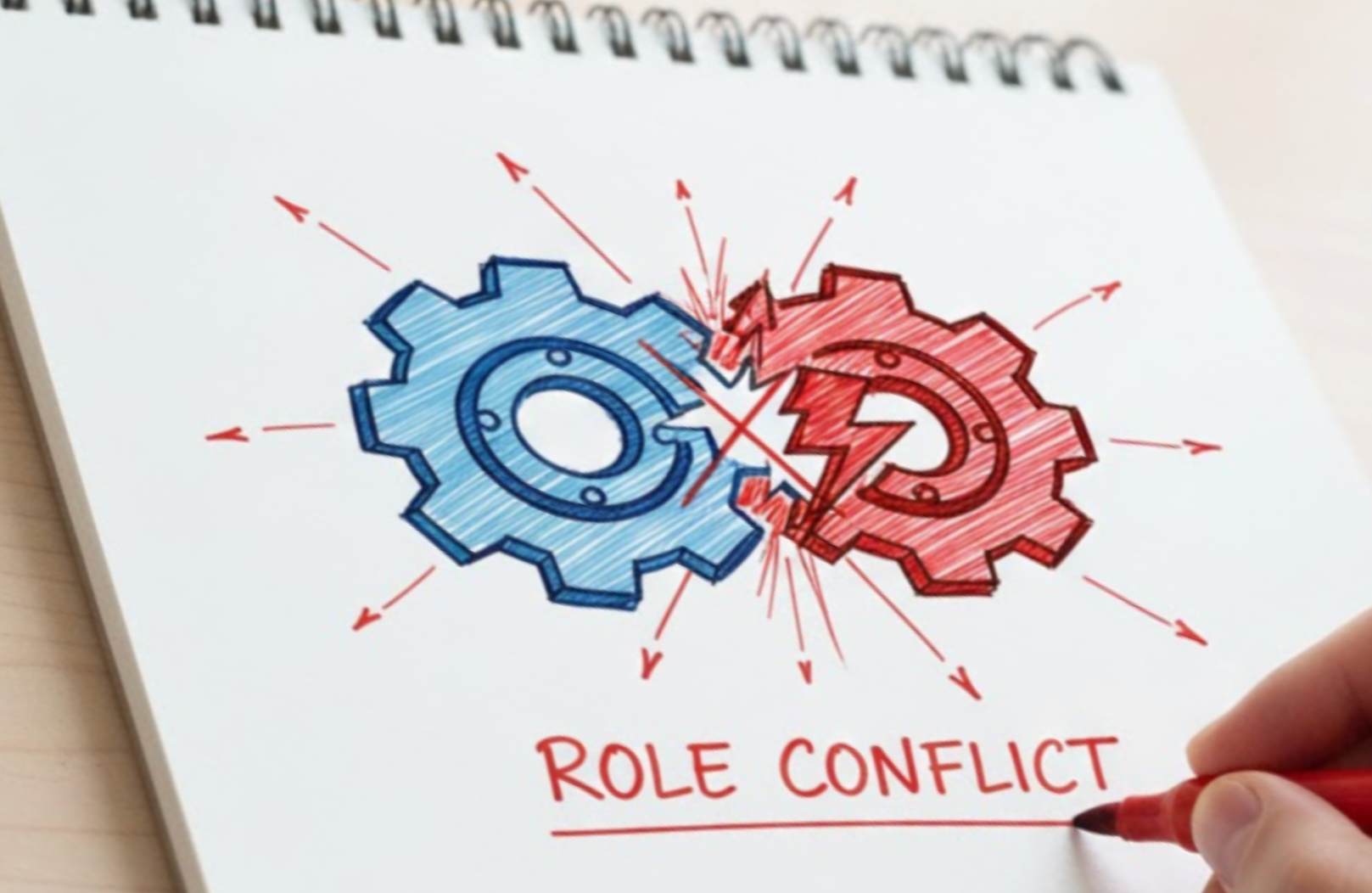
In art therapy, a core tenet is that "the person is not the problem; the problem is the problem." By drawing a challenge—representing a bottleneck as a "clogged pipe" or a role conflict as "colliding shapes"—participants externalize their internal stress.
The Business Impact: Instead of a confrontational meeting where people feel attacked, the team sits on the same side of the table, looking at the "problem" on the paper. This reduces defensiveness and allows for radical honesty without damaging professional relationships.
2. Symbolic Metaphor: Accessing Subconscious Insights
Art therapy utilizes metaphors because symbols can hold more information than words. When you ask a leader to "describe their vision," they give you a rehearsed speech. When you ask them to "draw the bridge to the future," their brain accesses a deeper level of insight.
The Business Impact: A drawing of a bridge with "broken planks" or "missing supports" reveals specific, subconscious anxieties about a project that would never come out in a verbal Q&A. We use these symbols to identify "blind spots" in strategy before they become expensive mistakes.
3. Kinesthetic Processing: Breaking the "Zoom Stare"
Art therapy is an active, tactile modality. The physical act of moving a marker across paper engages the motor cortex and helps regulate the nervous system.
The Business Impact: Most virtual meetings lead to "cognitive fatigue" (Zoom gloom). By introducing a tactile element, we shift the team’s brain state from passive listening to active problem-solving. This kinesthetic engagement is why our 60-minute sessions feel more energizing—and result in better memory retention—than a three-hour verbal seminar.
4. The "Third Object" Principle
In a therapeutic setting, the artwork acts as a "third object" that facilitates the conversation between the therapist and the client. In our workshops, the drawing becomes the "third object" between team members.
The Business Impact: It levels the playing field. The loudest voice in the room no longer dominates the conversation. Everyone’s "map" is equally visible, ensuring that the best ideas—not just the loudest ones—are the ones that drive the team forward.
Strategic Clarity, Not Art Projects
We aren't teaching your team how to be artists. We are using the clinical mechanisms of Art Therapy to turn abstract strategy into a visible, manageable reality. In just 60 minutes, your team will move from "talking in circles" to "mapping the way forward."
Try This: The 30-Second "Clarity Check"
Before you book your next standard meeting, try this individual exercise to see how your brain handles visual data vs. verbal thought:
Grab a piece of paper.
The Prompt: Draw your current "Project Workflow" as a physical path.
The Diagnostic: Take a different colored marker and draw a "Cracked Bridge" over the one area where communication usually breaks down.
What did you notice? Most leaders find that the moment they see the "crack" on paper, the solution becomes obvious. That is the power of externalization. We stop fighting the person and start fixing the bridge.