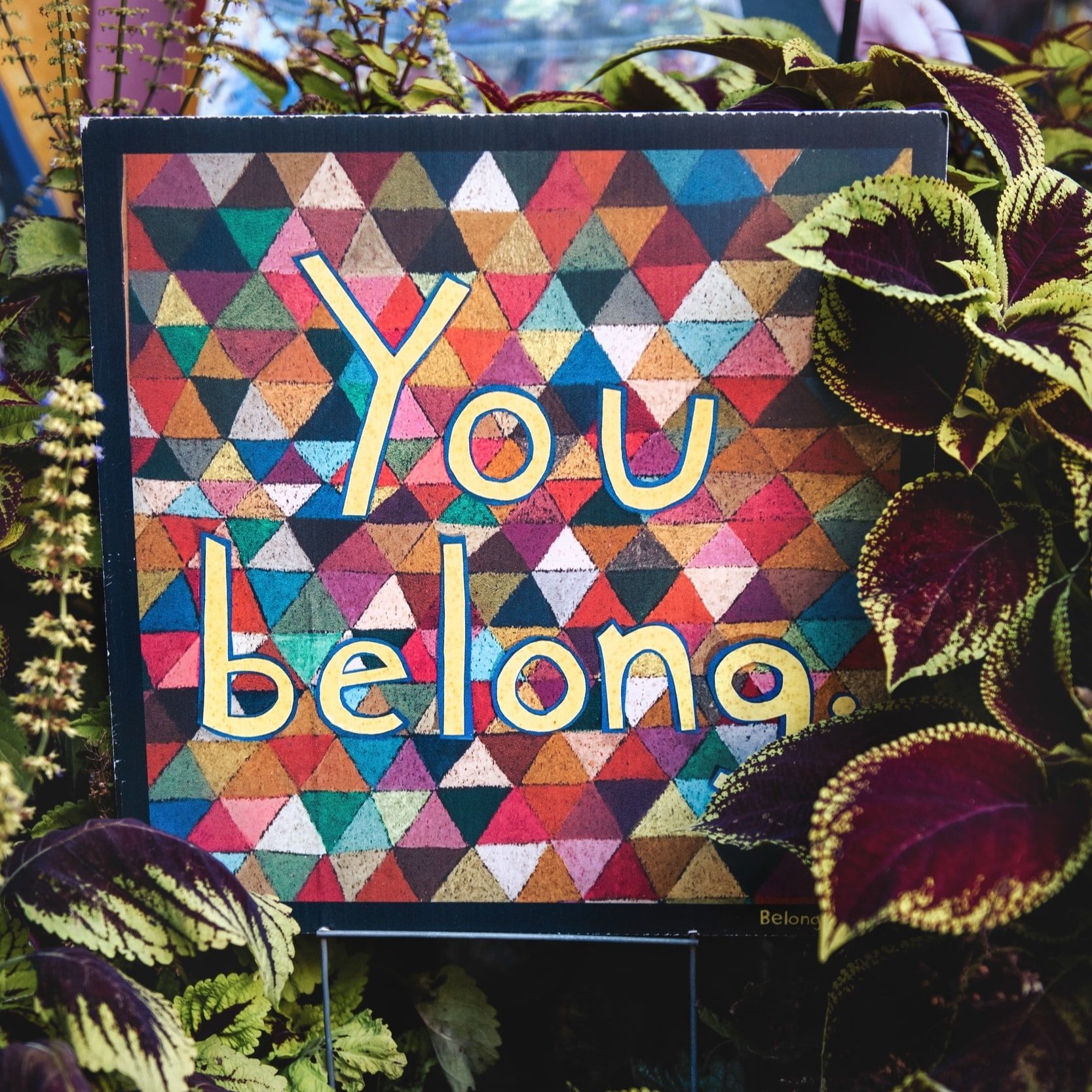
TRANSFORMATIVE DIVERSITY, EQUITY, inclusion, Belonging, & Accessibility Trainings
At Let’s Art About It, we specialize in delivering Diversity, Equity, Inclusion, and Accessibility (DEIA) and DEIB trainings that go beyond traditional workshops. Our programs are designed to transform individuals and create meaningful, lasting change within organizations through experiential learning and legal compliance integration.
We offer customizable sessions for all industries, including but not limited to:
breaking down biases (racism, sexism, ageism, ABLEISM, and OTHER ISMS)
Creating psychological safety and trust
Embracing disability as diversity
Navigating gender and identity inclusivity
Managing conflict effectively
Neurodiversity in the Workplace (Build understanding of neurodivergent employees’ and leaders’ unique experiences and strengths)
Trauma-Informed Practices (Understand the impact of trauma and foster a compassionate workplace)
Emotional Intelligence (Develop skills to recognize and manage emotions, improve communication, and influence team dynamics)
Our legal expertise ensures that DEIA initiatives align with state and federal compliance requirements, helping organizations mitigate risks and create policies that foster inclusive, equitable environments.
Using creative approaches such as expressive art therapy, we help teams not only learn but transform - cultivating workplaces where every employee feels valued and empowered.
Let’s build a more inclusive world together.
A Collaborative & Data-Informed Approach to Inclusion
At Let’s Art About It, we believe that true Diversity, Equity, Inclusion, and Belonging (DEIB) are not achieved through one-size-fits-all solutions. Our approach is deeply collaborative: we work with you to identify unique solutions that meet your organization’s specific needs. Whether through formal assessments or curated conversations, we help you select and customize learning that bridges the gap between organizational goals and the lived experiences of your people.
Measuring Inclusion: The ESSA® + Art Therapy Integration
One of the most powerful ways we personalize this work is through the ESSA® (Employee Support Styles Assessment). In a DEIB context, equity and inclusion are often felt through how support is distributed, perceived, and received.
How It Works The ESSA® helps teams move beyond abstract DEI concepts by measuring support preferences alongside perceived support. By highlighting areas of alignment or disconnect, we uncover the unspoken dynamics that impact trust, psychological safety, and belonging.
Following the assessment, we facilitate art therapy–based reflection to create a safe, non-verbal space for exploring these findings. Through guided, no-skill creative processes, participants examine:
Where Support is Inequitable: Identifying where support feels aligned, misaligned, or absent across different groups.
Relational Experiences: Visualizing the emotional experiences connected to giving and receiving support in a diverse workforce.
Communication Patterns: Surfacing the assumptions and expectations that often go unspoken in manager-employee relationships.
Psychological Safety: Making abstract support dynamics visible and discussable, allowing for honest dialogue without blame.
Outcomes for Your DEIB Strategy
By pairing the data of the ESSA® with the emotional depth of art therapy, your organization moves beyond identifying gaps toward practical, relationally informed action. This leads to:
More Responsive Leadership: Managers learn to adapt their support styles to meet the diverse needs of their team members.
Stronger Relationships: Deeper empathy and shared understanding across differences.
Sustainable Change: DEI becomes a lived, actionable practice rather than just a training topic.
Customizing Your Learning Journey
We understand that every culture is different. Our services are designed to be flexible:
Structured & Purpose-Driven: Grounded in organizational psychology and inclusive adult learning principles.
Accessibility First: Our art-based methods are inclusive of all abilities and require no artistic experience.
Ongoing Integration: Following the initial assessment, we offer ongoing consulting, customized training, and coaching to help translate insights into day-to-day leadership practices.
The Result: A DEI strategy that is as unique as your team—transforming static reports into living tools for growth, connection, and a culture where everyone feels supported to succeed.

Bias Awareness: From Recognition to Regulation
we use a collaborative approach to customize bias awareness training that moves from cognitive understanding to creative, lived experience.
Why Our Approach is Different
We don't just point out biases; we use art therapy to help individuals explore the origins and feelings behind them. This reduces the "shame and blame" cycle and opens the door to genuine curiosity and growth.
Somatic & Visual Mapping: We use creative exercises to visualize how bias manifests in decision-making and workplace interactions.
Safe Exploration: Art provides a "third space" where sensitive topics can be externalized on paper or in clay, making them easier to discuss without defensiveness.
Customized Solutions: We collaborate with you to identify specific bias "hotspots" in your organization—whether in hiring, performance reviews, or day-to-day team dynamics—and tailor the creative prompts to address them.
The Integration: While the ESSA® identifies where support is missing, our Bias Awareness modules help uncover the why—identifying the unconscious filters that might be preventing leaders from providing equitable support to all team members.

celebrating diversity
Our diverse team of masters and doctoral level therapists design experiential workshops with ERGs (Employee resource groups) around global observances to create personal and professional value and appreciation of diversity, identify unique individual strengths, and for co-workers to connect with one another on a deeper, more authentic level while improving mental wellness.
Some of those occasions include international day of persons with disabilities, Black History Month, Juneteenth, Earth Day, International Women’s Day, National Coming Out Day, Pride Month, Asian American and Pacific Islander Heritage Month, International Day of the World's Indigenous Peoples, eid, diwali, Hanukkah, Christmas, Kwanzaa, and more!

8 pillars of developing cultural COMPETENCY
Each of our workshops are designed with a fusion of principles from Art Therapy and Industrial/Organizational Psychology, centering around developing cultural sensitivity through growth in the following areas during each transformational session:
Empathy: Foster deeper understanding and connection with diverse perspectives.
Agility: Adapt quickly to changing cultural and organizational landscapes.
Inclusive Mindset: Embrace diverse ideas and challenge unconscious biases.
Resilience: Thrive in the face of challenges and navigate cultural complexities with confidence.
Continuous Learning: Cultivate curiosity and openness to evolving perspectives.
Strategic Relationships: Strengthen collaboration and trust across diverse teams.
EmBRACING CHaLLENGE
aRT AS POWER